- Sharva Pandya
- Dhwani Desai
Back
Beyond Bricks and Mortar: MIDC's New Mandate for Industrial Plots - Use It or Lose It
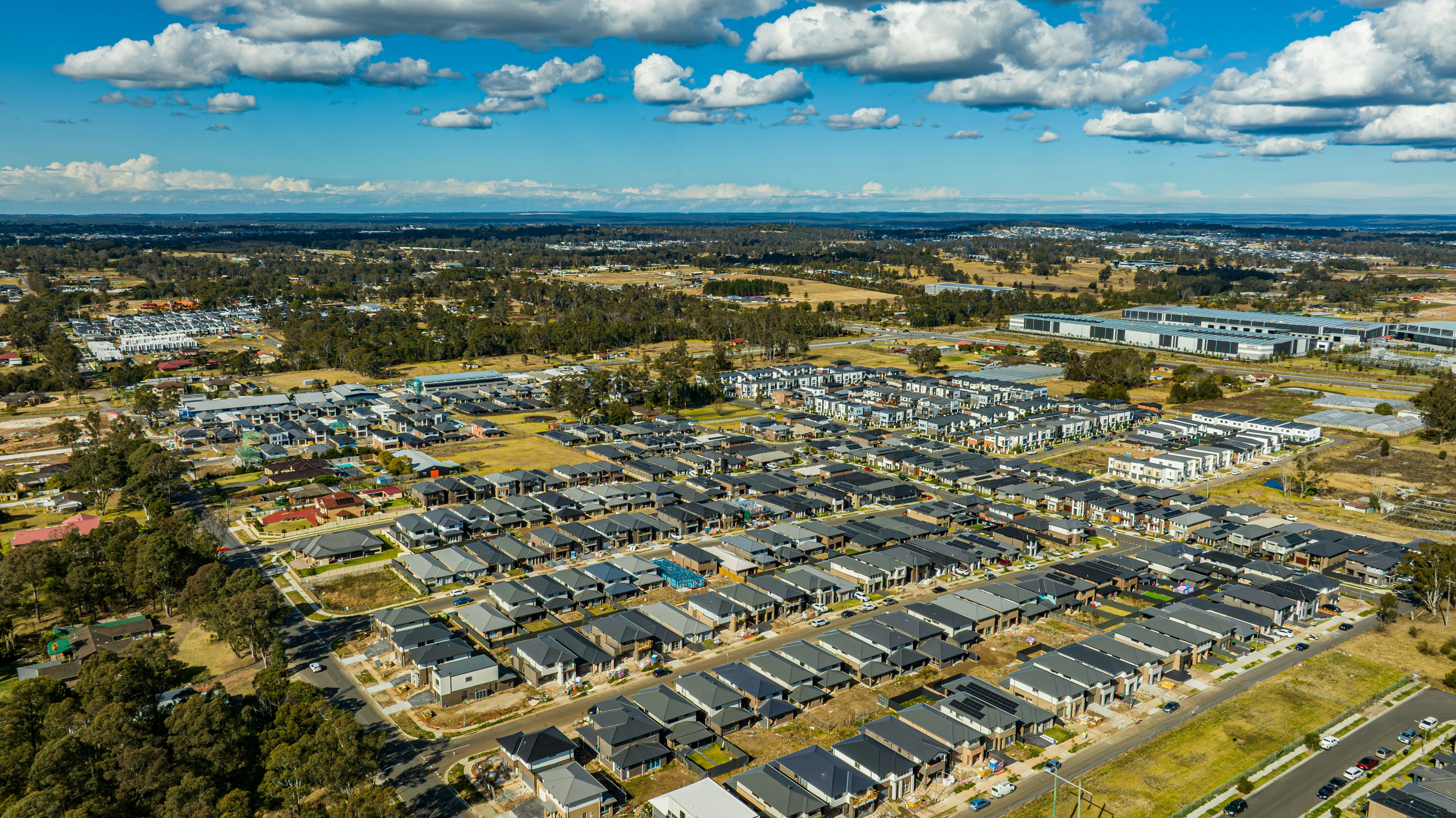
The allocation of industrial plots is a cornerstone of economic strategy, intended to catalyse manufacturing, generate employment, and drive state growth. However, the potential of this valuable land is often unrealized, with many plots remaining vacant or under-utilized for years, serving more as speculative assets than hubs of industry. Recognizing this, the Maharashtra Industrial Development Corporation (“MIDC”) has recently rolled out a series of decisive policy revisions, sending a clear and unequivocal message to plot holders: mere construction is no longer sufficient. The new mandate demands active, time-bound industrial production, failing which, plot holders risk repossession of their land.
The New Definition of “Development”: Production is Paramount
The most significant shift in MIDC’s policy framework is the redefinition of what constitutes a “developed” plot. Previously, many plot holders could satisfy their obligations by simply completing a portion of the construction and obtaining a Building Completion Certificate (“BCC”). This allowed them to hold onto the land indefinitely, without ever starting industrial operations.
A recent circular dated 3rd December 2025 (No. P561935) has decisively closed this loophole. The policy now explicitly defines development as not only completing construction as per the approved plan and obtaining a BCC/Occupancy Certificate but also commencing production. For sheds and units, this means installing the necessary machinery and beginning industrial activity. This change fundamentally alters the compliance landscape, shifting the focus from passive real estate development to active industrial contribution.
A Ticking Clock: Strict Timelines and Escalating Premiums
To enforce this new mandate, MIDC has introduced a stringent, time-bound system for development, coupled with significant financial deterrents for delays. The policy outlines a clear pathway with limited room for extensions.
After the initial development period expires, a plot holder can seek a maximum of three annual extensions. However, these extensions come at a steep and escalating cost:
- First Annual Extension: Requires payment of a non-refundable premium equivalent to 20% of the prevailing land rate.
- Second and Third Annual Extensions: The premium increases sharply to 40% for each year.
Crucially, these extensions are not automatic. The first extension is contingent on obtaining map approval within a fixed period as mandated in the circular, and by the second extension, if progress is lacking, the Regional Officer will issue a notice to the plot holder to complete development within the remaining extended period.
The Ultimate Consequence: Repossession
The policy's most formidable measure is the consequence of failing to meet the development timeline. After the three permitted annual extensions are exhausted, no further extensions will be granted. The circular states that the plot will be repossessed by the MIDC “as is where is”. Furthermore, the plot holder will not be entitled to any compensation for any construction or development work already carried out. This use it or lose it approach serves as a powerful deterrent against land banking and ensures that only serious entrepreneurs who are committed to industrial activity retain their allotments.
Tackling Under-Utilization: The 40% FSI Rule and Non-Utilization Charges
In parallel, MIDC is also cracking down on plots that are technically developed but remain largely under-utilized. As per earlier policies, plot holders are required to utilize at least 40% of the permissible Floor Space Index (FSI).
A circular dated 4th November 2025 (No. P561819) addresses the levy of Non-Utilization Charges on the vacant portion of plots where construction is below this 40% FSI threshold. While providing a final opportunity for compliance, the circular extends the period for utilizing the FSI up to 31st December 2026. It issues a stark warning that no further extensions will be granted beyond this date, signalling a hard deadline for allottees to either scale up their operations or face penalties.
A Practical and Nuanced Policy
While the new framework is strict, it is not without nuance. MIDC has acknowledged that a one-size-fits-all approach is not always practical.
- Red Zone Plots: For plots falling within government-notified Red Zones where construction is legally impossible, the condition of minimum FSI utilization has been relaxed. However, the obligation to develop the plot as per prevailing policy is merely suspended and will be reinstated once the Red Zone restrictions are lifted (Circular No. P495786).
- Specific Industrial Needs: Recognizing that certain industries inherently require large open spaces, a separate circular (No. 16086) provides exemptions from the 40% FSI rule. Industries such as petroleum stations, RMC plants, weigh bridges, and special chemical units have been assigned lower, more practical FSI requirements, ensuring the policy does not stifle legitimate business models.
Conclusion
The recent circulars from MIDC represent a paradigm shift in industrial land management. The message is clear: the era of passively holding industrial plots is over. By linking the definition of development to the commencement of production, imposing strict timelines with costly extensions and reserving the right to repossess non-compliant plots, MIDC is ensuring that its land serves its intended purpose: to fuel industrial growth, create jobs and strengthen the state's economy. Entrepreneurs and plot holders must now act decisively to align with this new, production-focused reality or risk losing their valuable land assets.