Building on Disputed Ground: How Redevelopment Navigates Ownership Conflicts
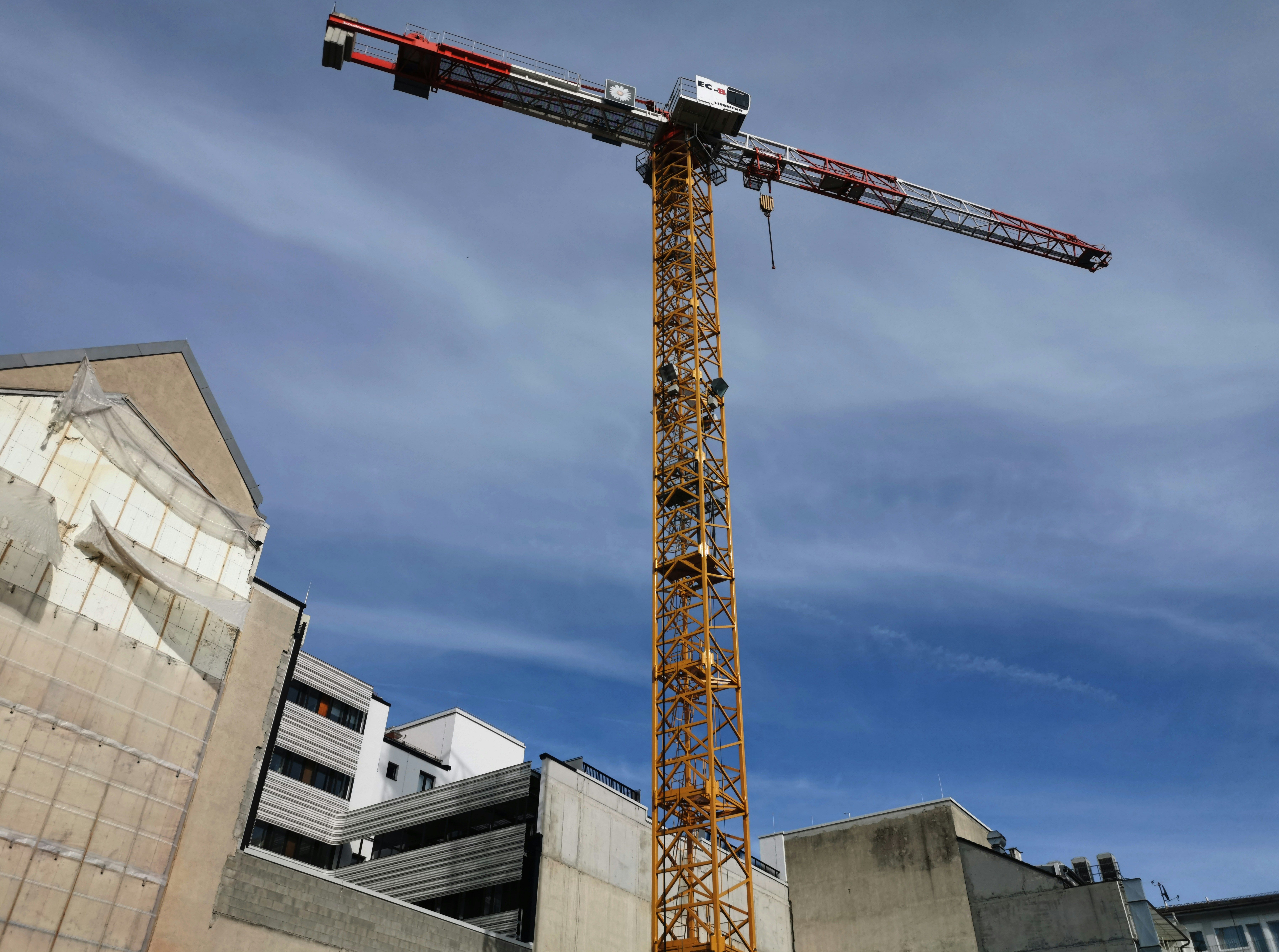
The urban landscape is in a constant state of renewal, with aging buildings making way for modern, safer structures. Redevelopment is no longer just a real estate opportunity; it's a necessity. But what happens when a promising project hits a wall of internal conflict? Family feuds, disputes between co-owners, and contested occupancy rights can bring redevelopment to a grinding halt, leaving the majority of residents in unsafe conditions while legal battles rage on.
This situation presents a critical dilemma: should the rights of a few dissenting individuals be allowed to stall progress for the entire community? Increasingly, Indian courts are answering with a firm "no." Through a series of pragmatic rulings, the judiciary has carved out a clear path to ensure that redevelopment projects can proceed while simultaneously protecting the financial and possessory interests of all parties, even those in dispute.
The Core Principle: Balancing Progress with Protection
Courts have established a consistent and practical approach: the process of redevelopment cannot be used as a tool to evict occupants or settle ownership scores. Likewise, internal ownership disputes cannot be weaponized to indefinitely veto a project that is in the public's and the majority's best interest, especially when a building is dilapidated.
The judicial solution is to decouple the immediate requirements of redevelopment from the final settlement of the ownership dispute. This involves identifying and protecting two distinct sets of rights: the right of possession and the right of ownership.
Who Gets What? A Breakdown of Entitlements in a Dispute
Recent judgments from the Bombay High Court provide a clear framework for how benefits are allocated when a property is under dispute.
1. The Occupant’s Rights are Paramount for Continuity
The courts prioritize the person in actual physical possession of the premises. The logic is simple: this is the person being "dishoused," and they need immediate support to facilitate the project.
- Transit Rent and Relocation Benefits: In Ritesh Haldar v. Elite Housing LLP (COARBAPL (L) No. 14486 of 2025) and Vipul Fatehchand Shah v. Nav Samir CHS (Commercial Appeal (L) No. 25162 of 2023 in Commercial Arbitration Petition (L) No. 20814 of 2023), the court ruled decisively that transit rent and other immediate compensation must be paid to the person vacating the flat, regardless of the ownership dispute. This ensures the occupant can secure alternative accommodation without hardship.
- Possession of the New Property: The person who hands over possession of the old flat is entitled to be put back into possession of the new, redeveloped flat upon its completion. This protects their possessory rights and prevents the redevelopment process from becoming a de facto eviction.
2. The Owner’s Rights are Secured for Posterity
While the occupant’s immediate needs are met, the long-term financial and legal entitlements tied to ownership are preserved for the person with the prima facie title.
- Development Agreements (PAAA): The formal agreement with the developer is executed in the name of the person whose name appears in the society's official records as the owner. In the Ritesh Haldar case, even though the sister-in-law (Leena) was in possession, the Permanent Alternate Accommodation Agreement (PAAA) was ordered to be executed in the name of the brother (Ritesh), who was the recorded owner.
- Corpus Fund / Hardship Compensation: This lump-sum financial benefit, which is tied to the surrender of ownership rights, is directed to the recorded owner. This ensures that the ultimate financial gains from the redevelopment are linked to title, which can be formally decided by a competent court later.
3. Ring-Fencing Disputed Shares to Prevent Paralysis
What if the very shares in the property are the subject of a long-pending lawsuit? In Shrikant Shriram Narsaria v. Sangeeta Rajendra Sharma (Appeal from Order No. 281 of 2023 in Notice of Motion No. 676 of 2022), a partition suit filed in 2006 was holding up the redevelopment of a dangerous building.
Here, the court took a more interventionist approach. It refused to let the dispute paralyze the project and ordered the following:
- Appointment of a Court Officer: The Court Registrar was empowered to sign the development documents on behalf of the non-consenting co-owners, allowing the project to move forward legally.
- Securing Disputed Entitlements: The court calculated the benefits (new area, corpus, transit rent) corresponding to the dissenting owners' claimed share. It directed the developer to deposit these benefits with the court. The new flats corresponding to their share would be handed over to a Court Receiver pending the final outcome of the suit.
This creative solution ensures that the dissenting parties' claims are fully protected in monetary and real estate terms, while allowing the other owners and tenants to move into a safe, modern building.
Strategic Takeaways for Stakeholders
- For Developers: Internal disputes are not a dead end. The courts have created a workable mechanism. The key is to engage transparently and be prepared to follow a court-mandated structure for splitting and securing benefits.
- For Co-owners: Using an ownership dispute as leverage to halt a redevelopment project is an ineffective strategy. The courts will likely allow the project to proceed while securing your claimed share. The focus should shift from blocking the project to ensuring your entitlements are accurately calculated and protected.
- For Occupants: Whether you are a tenant, a licensee, or a family member in possession, your right to a roof over your head is strongly defended by the courts. You are entitled to transit rent and possession of the new premises, and redevelopment cannot be used to dispossess you unlawfully.
In conclusion, the judicial approach to redevelopment in disputed properties is a masterclass in balancing competing interests. By focusing on pragmatic solutions, the courts are ensuring that urban renewal can continue, dilapidated buildings can be replaced, and communities can progress, all while the intricate wheels of justice turn to resolve underlying disputes in due course.