Interplay Between RERA and Arbitration Clauses: Striking a Balance Between Contractual Freedom and Consumer Protection
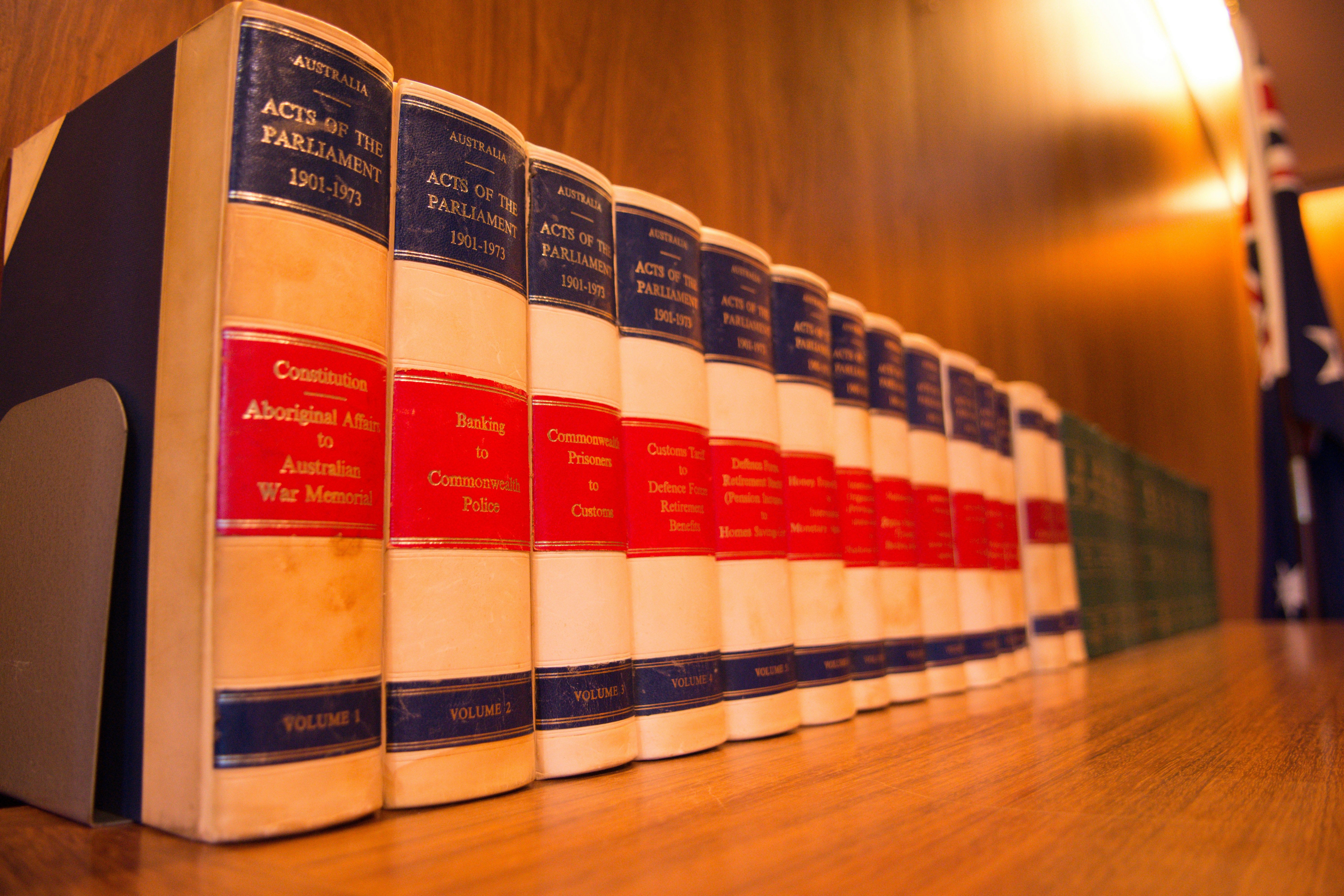
Arbitration clauses are now standard in most real estate agreements, particularly in apartment buyer agreements and commercial development contracts. These clauses are intended to provide parties with a private and efficient dispute resolution mechanism outside traditional court proceedings.
At the same time, the Real Estate (Regulation and Development) Act, 2016 (“RERA”) introduced a specialised statutory framework aimed at increasing transparency, accountability and consumer confidence in the real estate sector.
This has created an important question in real estate disputes: where an agreement contains an arbitration clause, can a homebuyer still approach the RERA authorities?
From the developer’s perspective, arbitration remains an important commercial tool. It offers confidentiality, procedural flexibility and potentially faster resolution of disputes. In large-scale projects involving multiple stakeholders and technical issues, arbitration is often viewed as a more commercially efficient mechanism than prolonged litigation.
On the other hand, RERA was introduced in response to longstanding concerns within the real estate sector, including delays in possession, lack of transparency and uneven bargaining power in standard-form agreements. The legislation was therefore designed to provide purchasers with access to specialised forums and statutory remedies that cannot easily be excluded by contract.
The resulting conflict is essentially between two competing principles: party autonomy in commercial contracts and statutory consumer protection.
Importantly, not all real estate disputes are treated identically. Purely commercial disputes — such as disputes between developers, contractors, investors or parties to joint development agreements — may still be well suited for arbitration. However, disputes involving homebuyer rights and statutory obligations under RERA are generally viewed differently because they arise within a regulated framework created specifically for consumer protection.
The practical takeaway is that arbitration clauses in real estate agreements continue to remain relevant and enforceable, but their scope may be limited where statutory remedies under RERA are involved.
Ultimately, the evolving legal framework appears to favour a balanced approach — one that recognises the commercial utility of arbitration while also preserving the regulatory and consumer-protection objectives underlying RERA.