- Devashree Maniar
Back
M&A Opportunities in India’s Plastic Recycling Sector: Navigating Growth and Compliance under the EPR Framework
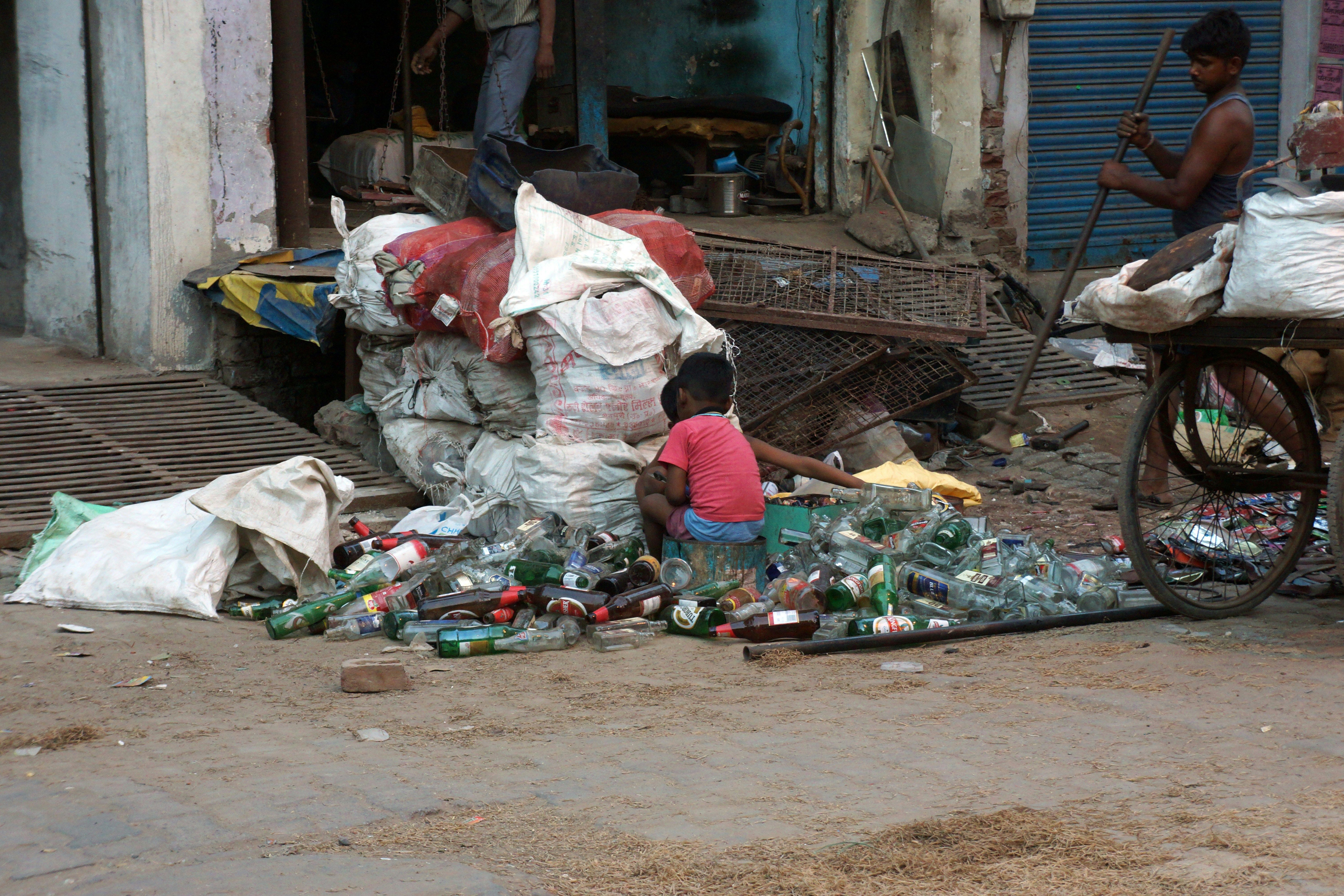
India’s plastic recycling industry is witnessing a phase of rapid formalisation and consolidation, driven by an increasingly stringent regulatory framework under the Plastic Waste Management Rules, 2016 (as amended from time to time) (“Plastic Waste Rules”).
While these reforms impose extensive compliance obligations on producers, importers, brand owners and plastic waste processors, they have also created a structured and transparent ecosystem that is increasingly attracting strategic investors and acquirers. The sector’s compliance intensity has, in effect, become its greatest driver of investment and M&A activity.
The Legal Framework: EPR Guidelines and Compliance Structure
The Extended Producer Responsibility (“EPR”) Guidelines, 2022, notified as Schedule II to the Plastic Waste Rules, establish a comprehensive framework for the management of plastic packaging waste across its entire lifecycle — from production to post-consumer recovery.
Key features include:
- Mandatory Registration: All Producers, Importers, Brand Owners (collectively, “PIBOs”) and Plastic Waste Processors (“PWPs”) engaged in recycling, waste to oil, waste to energy and industrial composting are required to register on the Central Pollution Control Board’s(“CPCB”) online EPR portal before engaging in any activity involving plastic packaging or plastic waste processing.
- Fulfilment of EPR Targets: The EPR obligations under the Plastic Waste Rules cover five categories of plastic packaging which include rigid plastic packaging, flexible plastic packaging, multilayered plastic packaging, and plastic sheets made of compostable or biodegradable plastics. PIBOs are required to meet annual, category-wise EPR targets for the collection, recycling, reuse, or end-of-life disposal of plastic packaging waste generated through their products.
- Use of Recycled Content and Reuse Obligations: PIBOs are required to incorporate a minimum percentage of recycled plastic content in new packaging and, where applicable, ensure reuse of rigid plastic packaging.
- Annual Reporting: PIBOs and manufacturers of commodities made from compostable and biodegradable plastics are required to prepare and submit an annual return on the plastic packaging waste collected and processed towards fulfilling obligations under EPR, online to CPCB by 30th June each year for the preceding financial year. PWPs are required to submit annual returns at the end of every financial year by 30th April of the next financial year on the quantity of plastic waste processed category-wise online to CPCB.
- Utilisation and Transfer of Surplus EPR Certificates: A Brand Owner that exceeds its category-wise EPR targets may (i) offset any shortfall from the previous year, (ii) carry forward the surplus to the next compliance year, or (iii) sell the surplus certificates to other PIBOs. On the other hand, PIBOs that have not met their EPR targets can fulfil their obligations by purchasing surplus certificates from other PIBOs
- Centralized Online EPR Portal: CPCB has established a centralised online portal for the registration of PIBOs and PWPs, as well as for the filing of their annual EPR returns. The portal serves as a unified digital platform capturing data on registrations, targets, and third-party audit reports of PIBOs and waste processors. It also functions as a single-point repository for all orders, notifications, and guidelines issued under the Plastic Waste Rules, thereby ensuring transparency, traceability, and streamlined implementation of the EPR framework.
- Environmental Compensation and penalty: Non-compliance with Plastic Waste Rules attracts the imposition of environmental compensation, based on the polluterpays principle, for failure to meet EPR targets by PIBOs. Additionally, any person who fails to comply with the provisions of the Plastic Waste Rules is liable for a penalty as prescribed under the Environment Protection Act, 1986.
Under the Plastic Waste Rules:
- Extended Producer Responsibility means the responsibility of a producer for the environmentally sound management of the product until the end of its life.
- Producer means a person engaged in manufacturing of plastic packaging; and, includes a person engaged in manufacture of intermediate material to be used for manufacturing plastic packaging, and also the person engaged in contract manufacturing of products using plastic packaging or through other similar arrangements for a brand owners.
- Importer means a person who imports for commercial use, any plastic packaging or any commodity with plastic packaging or carry bags or plastic sheets or like material, or plastic raw material including in the form of resin or pellets, or intermediate material to be used for manufacturing plastic packaging such as films or preforms.
- Brand Owner means a person or company who sells any commodity under a registered brand label or trademark.
- Plastic Waste Processor means recyclers of plastic waste as well as entities engaged in using plastic waste for energy (waste to energy) including in coprocessing or converting plastic waste to oil (waste to oil) except in cases where feedstock chemicals are produced for further use in the production of plastic which may then be considered under recycling , industrial composting.
EPR as a Catalyst for M&A Activity
For companies and investors, compliance under the EPR framework is no longer a peripheral issue — it has become a core strategic consideration. Acquiring or investing in authorised recyclers can offer multiple advantages:
- Regulatory Compliance and Cost Efficiency: By integrating with or acquiring registered recyclers, PIBOs can generate EPR credits internally, thereby reducing dependence on third-party processors and mitigating compliance costs and uncertainties.
- Enhanced Traceability and Governance: Integrating waste management and recycling operations within a company’s own value chain allows for greater control over documentation, verification, and audit processes — all of which are closely monitored through the online EPR portal. This direct oversight strengthens regulatory reporting, reduces compliance risk, and enhances governance and transparency across the organisation’s EPR obligations.
- Strategic Value Creation: As the market for certified recyclers becomes increasingly competitive, entities with transparent and compliant operations are witnessing higher valuation multiples in M&A transactions. For investors, this translates into both regulatory security and enhanced strategic value.
- ESG and Sustainability Alignment: With global and domestic investors prioritising environmental, social, and governance (ESG) considerations, acquisitions in the recycling and circular economy sectors align closely with sustainability-linked investment mandates.
The Road Ahead
India’s EPR-driven regime continues to evolve, but its trajectory is clear — towards heightened accountability, digital traceability, and integration of recycled content across the value chain.
For investors, this transformation presents a unique convergence of regulatory clarity and commercial opportunity.
As the sector matures, the market is prepared for heightened M&A activity. Private equity and impact investors, drawn by circular-economy potential and ESG-linked returns, are increasingly backing regulated platforms that combine environmental responsibility with financial viability.