Maharashtra's Ready Reckoner Reform Just Got Bigger: From Micro-Zoning to Property-Specific Valuation
When Maharashtra first proposed micro-zoning of Ready Reckoner rates, the reform appeared to be about geography.
The objective was to divide large valuation zones into smaller, more precise pockets so that benchmark property values would better reflect local market realities. At the time, the proposal was viewed as an attempt to solve a longstanding problem: two properties located within the same broad locality often carried the same statutory valuation despite having vastly different market values.
Recent announcements from the State Government suggest that the reform may be evolving into something considerably more ambitious.
In June 2026, the Government indicated that following the ongoing micro-zoning exercise, separate Ready Reckoner rates may be introduced for different categories of properties within the same locality, including high-rise developments, redeveloped buildings, standalone structures and slum settlements. Reports further suggest that the long-term objective is to move towards CTS-level or property-specific valuation.
If implemented, this would represent a fundamental shift in how property is valued in Maharashtra.
Historically, the Ready Reckoner system has been locality driven. While adjustments exist for property type and user classification, valuation has largely been tied to geographic zones. The practical consequence has been that properties with dramatically different characteristics often attract similar benchmark values simply because they fall within the same designated area.
The emerging framework challenges that assumption.
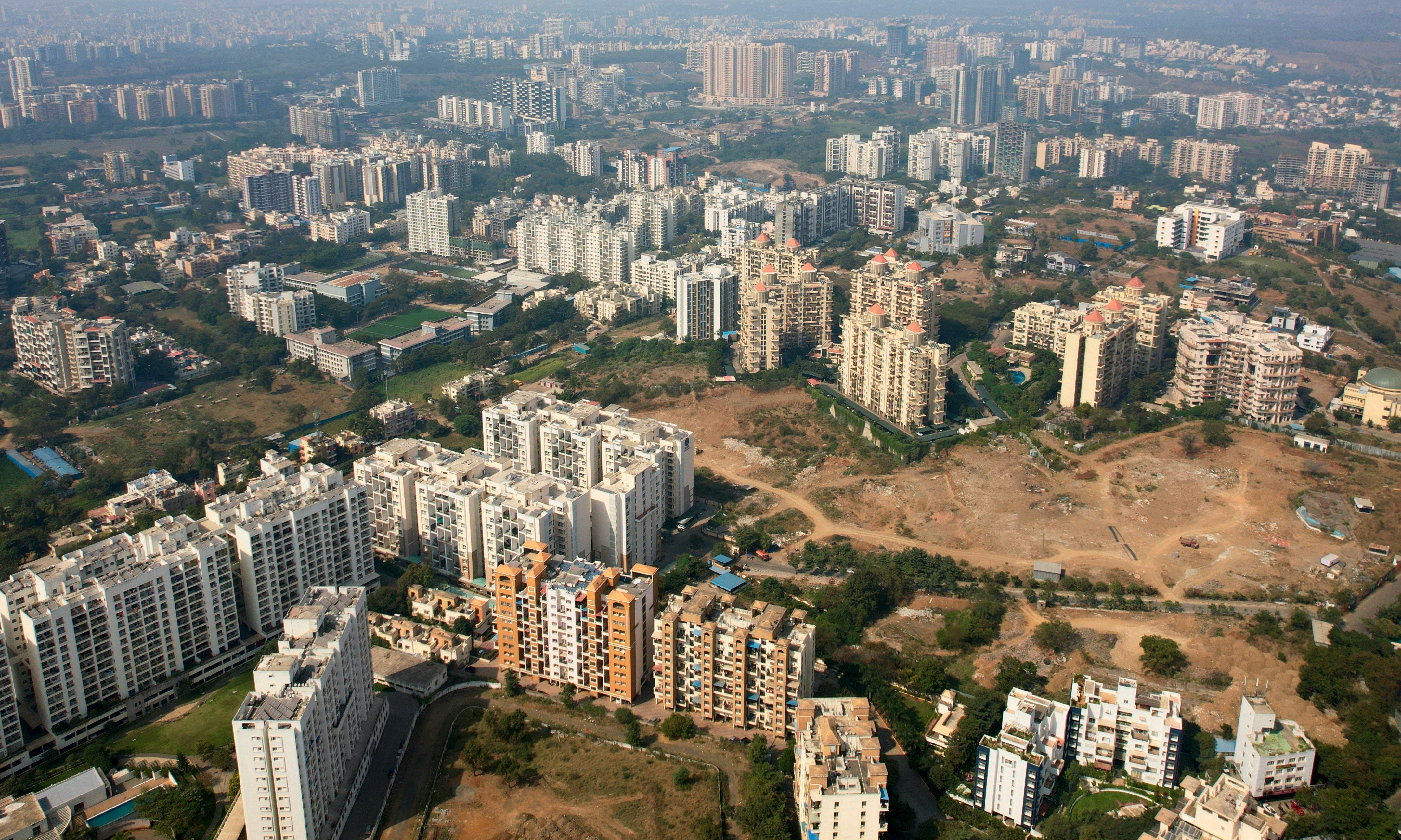
The distinction is best illustrated by a situation commonly encountered across Mumbai. A luxury residential tower, a dilapidated cessed building awaiting redevelopment, and an informal settlement may all exist within the same neighbourhood. Yet each asset commands a different market value, offers different development potential, and attracts a different class of purchaser.
The Government's position appears to be that statutory valuation should begin reflecting those differences rather than treating all properties within a locality as substantially alike.
For the real estate market, this is arguably more significant than micro-zoning itself.
The debate around Ready Reckoner rates has traditionally centred on whether rates should increase or decrease. The June announcements suggest that the more important question may soon be how rates are determined in the first place.
Indeed, it is notable that the State chose not to implement the proposed increase in Ready Reckoner rates for FY 2026–27. Instead, it froze rates and prioritised the micro-zoning exercise. This signals a recognition that valuation accuracy may be more important than a uniform increase across the board.
The implications of this proposed framework extend beyond stamp duty.
Ready Reckoner rates influence transaction structuring, minimum valuation requirements, income tax assessments and redevelopment projects. A valuation framework that differentiates between properties within the same locality may therefore affect commercial negotiations, project feasibility and due diligence.
For investors, purchasers and developers, the focus may no longer be limited to identifying the applicable valuation zone. Equal importance may be placed on how a property has been classified within the Ready Reckoner framework and whether that classification accurately reflects its characteristics.
What began as a proposal to introduce micro zoning is now evolving into a broader reform of Maharashtra's valuation framework. If implemented, Ready Reckoner rates may increasingly be determined not only by where a property is situated, but also by the nature and characteristics of the property itself.