Maharashtra Unveils Ambitious Slum Cluster Redevelopment Scheme for Mumbai
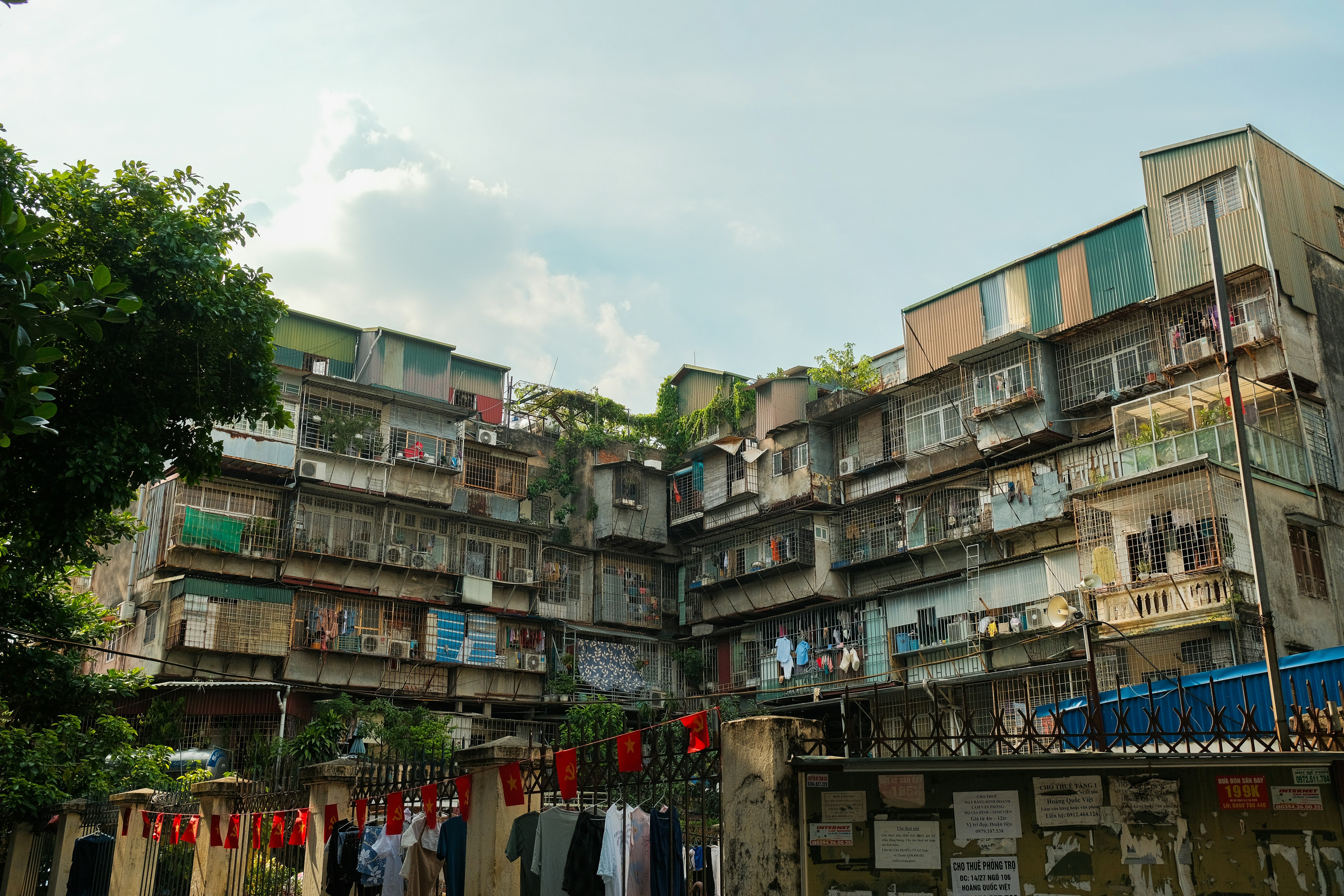
The Government of Maharashtra, through a Government Resolution dated 13th November 2025, has introduced the "Slum Cluster Redevelopment Scheme" for the Brihanmumbai region. This landmark policy aims to accelerate the vision of a slum-free Mumbai by shifting from piecemeal, plot-by-plot redevelopment to an integrated, large-scale urban renewal model. The scheme is designed to address the complexities of redeveloping vast, contiguous areas that are a mix of slums, dilapidated structures, and other properties, which have historically hindered cohesive urban planning.
Core Objectives and Framework:
The new policy designates the Slum Rehabilitation Authority (SRA) as the nodal agency for its implementation. The cornerstone of the scheme is the identification and redevelopment of "slum clusters"- contiguous land parcels of at least 50 acres where slum areas constitute more than 51% of the total area.
A key feature of this policy is its inclusive approach to land aggregation. The clusters can incorporate a diverse range of properties, including declared slum areas, Dilapidated or cessed buildings, tenanted properties, Government and semi-government owned lands and buildings, etc.
This holistic approach is intended to facilitate comprehensive master planning, ensuring the development of modern infrastructure and civic amenities, thereby improving the quality of life for residents.
Governance and Implementation Mechanism:
To oversee the scheme, the government has constituted a High-Powered Committee (HPC) chaired by the senior-most secretary of the Housing Department. This committee will be responsible for approving the designated slum clusters and the master plans submitted by developers.
The scheme outlines three primary models for implementation:
- Joint Venture (JV): The project can be executed through a JV with a designated government entity.
- Tender Process: A private developer can be appointed through a competitive bidding process.
- Preference Model: A developer who already holds development rights for over 40% of the land within a proposed cluster may be given preference to undertake the entire project.
The final decision on the implementation model will be based on the recommendations of the HPC and will require prior approval from the state government, ensuring a robust and transparent selection process.
Key Provisions and Policy Innovations:
The Slum Cluster Redevelopment Scheme introduces several significant departures from existing redevelopment norms:
Waiver of Slum Dweller Consent:
In a major policy shift aimed at preventing delays, the scheme explicitly states that the consent of slum dwellers will not be a prerequisite for its implementation. This is expected to fast-track projects that often stall due to difficulties in securing the requisite consensus. The government positions this shift as a pragmatic response to chronic delays arising from minority dissent, fragmented community interests, and the resulting stagnation of large redevelopment proposals. While this change is intended to facilitate timely and coordinated implementation at the cluster level, it simultaneously raises important questions regarding procedural fairness and the protection of resident rights under the Constitution. It also marks a departure from participatory norms that have shaped slum rehabilitation policy for decades and may invite social resistance in areas where institutional trust is limited. Consequently, this provision functions both as a mechanism to accelerate redevelopment and as a potential site of legal and socio-political contestation, warranting careful scrutiny in its practical application.
Streamlined Approvals:
To expedite clearances, the requirement for obtaining a No-Objection Certificate (NOC) from land-owning public authorities for slum-occupied lands within the cluster has been waived, as per Regulation 33(10) of the Development Control and Promotion Regulations (DCPR), 2034.
Inclusion of Private and Leased Lands:
The policy provides a clear mechanism for integrating non-slum private lands. Landowners will be offered a developed plot with equivalent Floor Space Index (FSI) on a portion of their land, akin to a Town Planning Scheme. Should this offer be declined, the land will be acquired under the Right to Fair Compensation and Transparency in Land Acquisition, Rehabilitation and Resettlement (LARR) Act, 2013, with the acquisition cost borne by the developer.
While the provision aims to ensure that private lands are integrated into the cluster redevelopment and landowners are compensated, placing the entire LARR acquisition cost on the developer introduces significant legal and financial complexities. It could lead to challenges regarding the "public purpose" of acquisition, deter developer participation due to high financial risks, and prolong project timelines due to potential litigation.
Enhanced Rehabilitation and Incentives:
All eligible occupants, including those of industrial and commercial units, will be entitled to rehabilitated premises equivalent to their existing authorized area.
Developers can construct additional tenements for Project Affected Persons (PAPs) in exchange for incentive saleable built-up area.
Buildings eligible for redevelopment under other DCPR provisions (e.g., 33(7), 33(9)) will receive the higher of the benefits available under their respective regulation or DCPR 33(10).
Comprehensive Planning and Amenities:
Developers are mandated to prepare a comprehensive master plan for the entire cluster, which requires HPC approval.
A minimum of 12% of the slum area must be reserved for recreational grounds or open spaces, which can be reduced to 8% only in exceptional circumstances with special government permission.
Each rehabilitation building must include a community hall.
Financial and Execution Safeguards:
The scheme places significant financial responsibility on the appointed developer. To protect the interests of the displaced residents during the construction phase, developers are required to deposit two years' advance rent with the SRA. Additionally, post-dated cheques for the third year's rent must also be submitted, creating a financial security net for the tenants.
The policy also mandates a phased development program, which must be approved by the HPC. This program will set clear timelines and conditions for each phase. To ensure timely completion, the HPC is empowered to define penal provisions for any delays, holding the developer accountable for the project's schedule.
Addressing Complex Land Use and Environmental Regulations:
The scheme proactively addresses challenges posed by environmentally sensitive zones. For slum clusters affected by Coastal Regulation Zone (CRZ) I and II norms, the policy allows for the in-situ rehabilitation of slum dwellers if permissible, or their relocation to other parts of the cluster. The land vacated in CRZ-I areas is to be used for public amenities, while land in CRZ-II can be utilized by the developer for the sale component, subject to prevailing regulations. This provision aims to unlock development potential in coastal areas while adhering to environmental laws.
Furthermore, the policy provides a clear framework for the development of reserved plots within the cluster. If a developer undertakes the development of such reservations, they will be compensated with Transferable Development Rights (TDR) or in-situ FSI, potentially exceeding the base FSI of 4.00 for creating housing stock for PAPs or redeveloping non-developable slums from other areas.
Towards a Transformed Mumbai: Prospects and Policy Implications
The Slum Cluster Redevelopment Scheme is arguably the most ambitious urban renewal initiative undertaken by the Maharashtra government in recent years. By adopting a macro-level, cluster-based approach, it seeks to replace pockets of redevelopment with holistic urban transformation. The policy's success will depend on its effective implementation, the transparency of the developer selection process, and the ability of the SRA and the HPC to navigate the complex legal, social, and financial challenges inherent in such large-scale projects.
If successful, this scheme could serve as a blueprint for other Indian megacities grappling with similar issues of urban decay and informal settlements. It has the potential to not only provide improved housing for millions but also to fundamentally reshape Mumbai's urban landscape, creating more organized, sustainable, and liveable communities. The necessary amendments to the DCPR, 2034, to be carried out by the Urban Development Department, will constitute a crucial legislative step in operationalizing this transformative policy and realizing its long-term vision.