The Aravallis at a Crossroads: Supreme Court Navigates the Line Between Development and Destruction
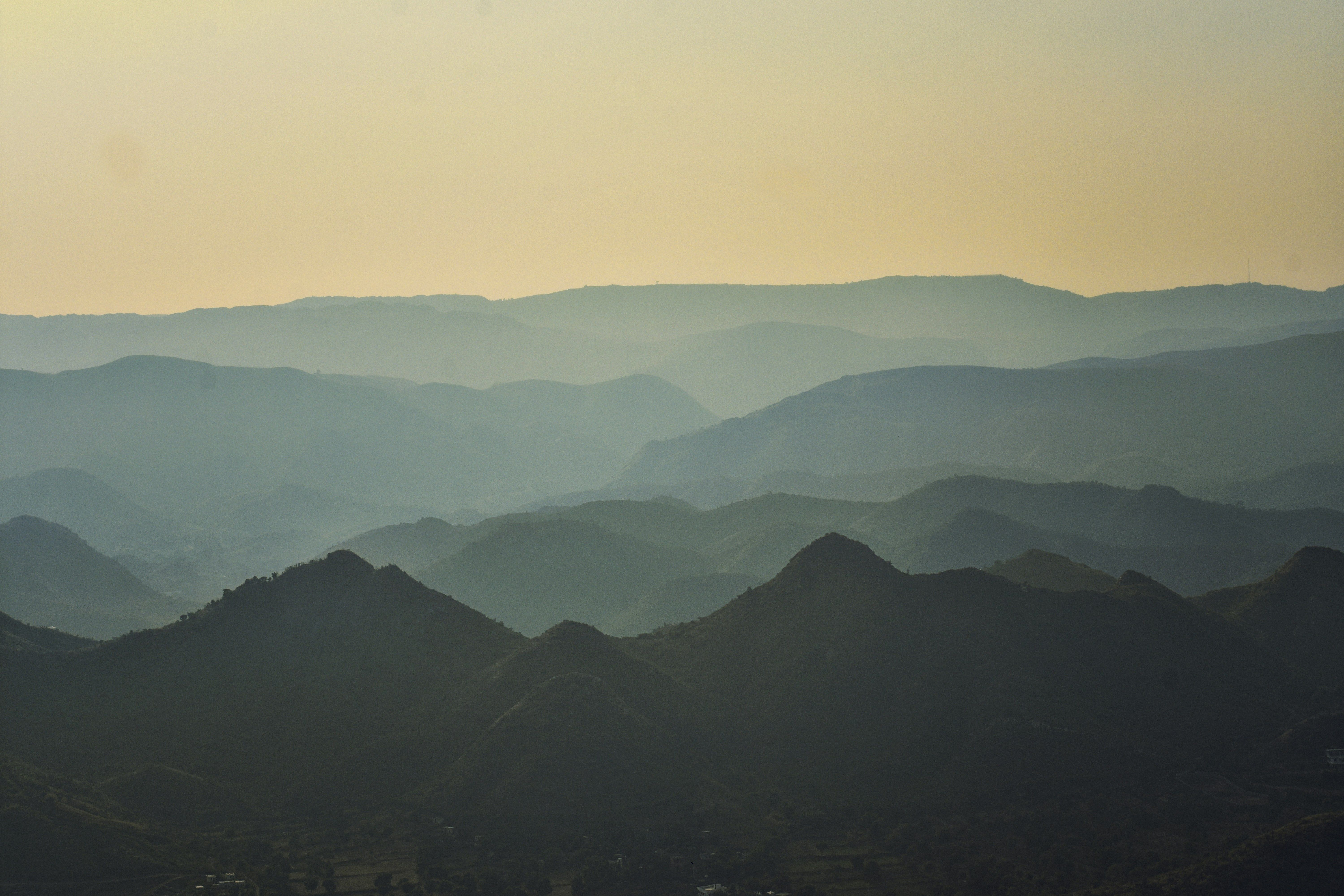
The Aravalli Hills, among the planet’s oldest geological formations, have long been described as the ‘green lungs’ of Northwestern India. This ancient range, stretching from Gujarat to Delhi, serves as a critical ecological barrier, shielding the fertile Indo-Gangetic plains from the encroaching Thar Desert and acting as a vital watershed for the region. However, decades of unregulated mining, deforestation, and urbanisation have exerted immense pressure on this fragile ecosystem. Recent proceedings in the Supreme Court of India have brought this conflict into sharp focus, highlighting a fundamental question: in an age of deteriorating air quality and climate change, where should the line be drawn between economic development and environmental preservation?
The Search for a Uniform Definition
For years, the battle to protect the Aravallis has been hampered by a lack of a consistent definition. The states of Rajasthan, Haryana, Gujarat, and the NCT of Delhi each adopted their own criteria, creating regulatory gaps that were often exploited for mining and construction. Recognizing this inconsistency, the Supreme Court, on 9th May 2024, directed the formation of a multi-stakeholder committee to formulate a uniform definition.
On 20th November 2025, the Court delivered a judgment based on the committee's report. It accepted a new “operational definition” for mining purposes:
- Aravalli Hills: Any landform in the Aravalli districts with an elevation of 100 metres or more.
- Aravalli Range: Two or more such Aravalli Hills located within 500 metres of each other.
While accepting this definition, the Court also acknowledged the need for sustainable practices. It directed the Ministry of Environment, Forest and Climate Change (MoEF&CC) to prepare a Management Plan for Sustainable Mining (MPSM), similar to one created for the Saranda forests. Crucially, it ordered that no new mining leases be granted until the MPSM was finalised, though existing legal mining operations were permitted to continue subject to strict regulatory compliance.
A Judicial Re-think Amidst Public Outcry
The November 2025 judgment, intended to bring clarity, instead triggered a “spate of Interlocutory Applications” and “significant outcry among environmentalists”, as noted by the Supreme Court itself. Critics raised profound concerns that the new definition, rather than protecting the Aravallis, could paradoxically open them up to further destruction.
In a suo moto writ petition, the Court took cognizance of these concerns by way of interim directions in a landmark order on 29th December 2025. It identified several critical ambiguities stemming from the new definition:
- A Narrowed Scope: The definition, restricted to hills above 100 metres and within a 500-metre proximity, was seen as creating a structural paradox. It threatened to exclude vast tracts of ecologically contiguous land, including lower-lying hills and the areas between distant hills, from protection.
- The 100-Metre Threshold: The Court acknowledged the widely publicised criticism that in Rajasthan alone, this criterion could strip environmental protection from over 11,000 of the 12,081 hills, as they fall below the 100-metre elevation mark.
- Facilitating Unregulated Mining: By technically reclassifying large areas as ‘non-Aravalli’, the definition could facilitate unregulated mining and other disruptive activities in terrains that are integral to the ecosystem's health.
Hitting Pause: A Precautionary Approach
Recognizing the potential for “irreversible administrative or ecological actions”, the Supreme Court took the extraordinary step of placing its own 20th November 2025 judgment in abeyance. It declared that a “fair, impartial, independent expert opinion must be obtained” before the new definition and associated directions could be implemented.
To this end, the Court proposed the constitution of a new High-Powered Expert Committee to conduct a holistic examination of the issue. Furthermore, as a powerful interim measure, it reinstated a de facto suspension of new and renewed mining permissions. It directed unequivocally that until further orders, no permission for mining, whether for new leases or renewal of old ones, shall be granted in the Aravalli Hills and Ranges (as defined by a broader 2010 Forest Survey of India report) without the Court's prior permission. A subsequent hearing on 21st January 2026 confirmed that these interim directions would continue, with the Court actively seeking to constitute the new expert body.
The Larger Implication: A Fight for Clean Air
The legal battle over defining the Aravallis is not an abstract exercise. It has direct and severe implications for the millions of people grappling with the public health crisis of deteriorating air quality across North India. The dispute affects not only State governments and mining leaseholders, but also local communities and urban populations who depend on the Aravallis for ecological stability.
The Aravalli range functions as a natural shield against dust storms from the Thar desert and is a massive carbon sink. Its forests and green cover are indispensable for purifying the air in one of the world's most polluted regions.
Giving up these green belts, even incrementally, would have catastrophic consequences. The erosion of the Aravallis would mean increased desertification, more frequent and intense dust storms, and a further spike in particulate matter pollution, exacerbating the already dire AQI levels in Delhi-NCR and surrounding states. The loss of this ecological buffer would compromise water security, destroy biodiversity, and directly impact the health and well-being of the general public.
Conclusion
The Supreme Court's recent orders reflect a growing recognition of this reality. Situated at the intersection of Articles 21, 48A and 51A(g) of the Constitution, the proceedings exemplify the Court’s evolving environmental constitutionalism. By pausing the implementation of a potentially flawed definition and seeking deeper scientific scrutiny, the Court has prioritised the precautionary principle.
The ongoing proceedings underscore a vital message: in an era defined by environmental emergencies, the long-term ecological integrity of a life-sustaining ecosystem like the Aravallis must take precedence over short-term economic interests. Sustainable development cannot come at the cost of irreversible destruction, especially when the very air we breathe is at stake.